
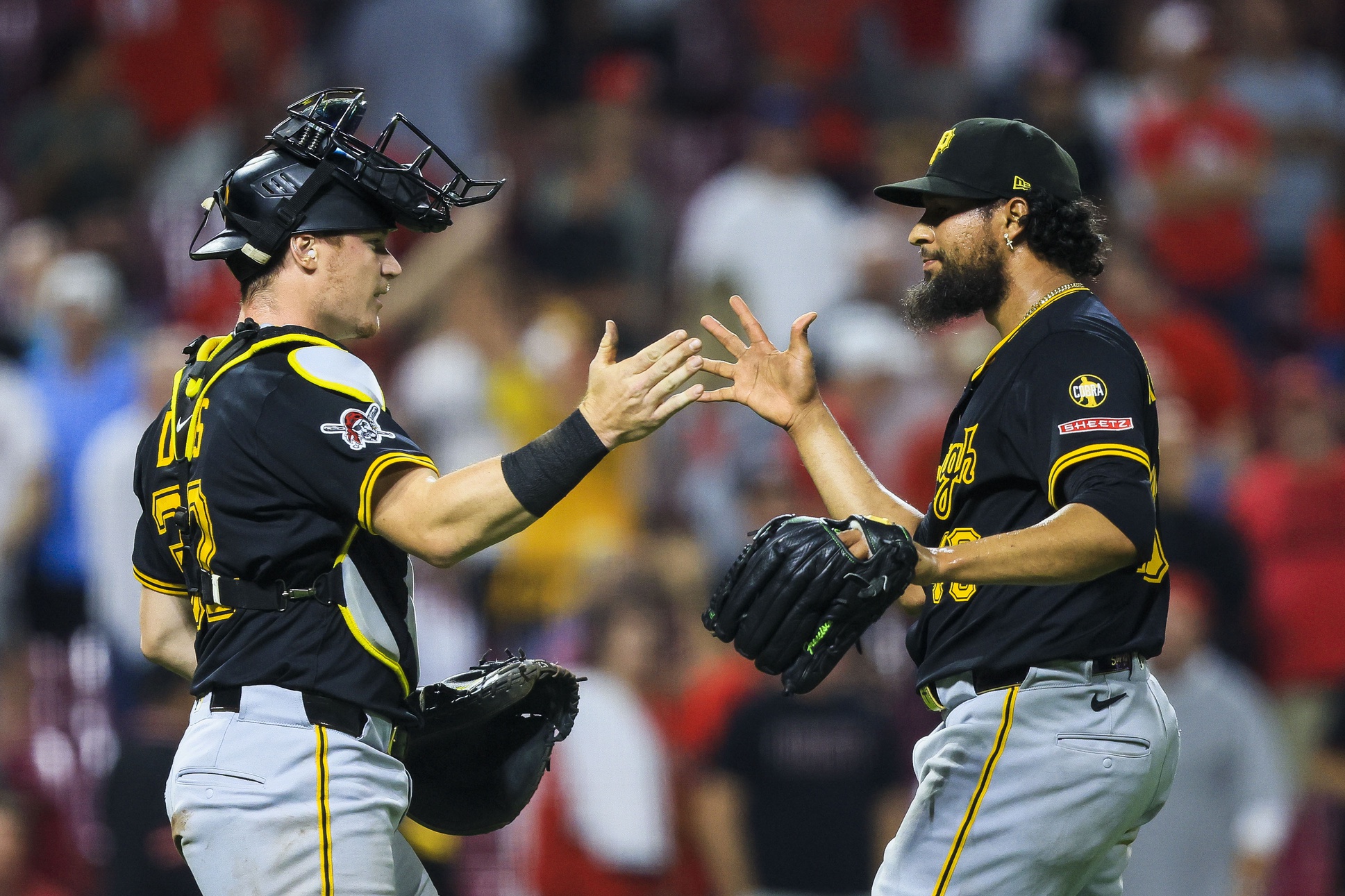
The Pittsburgh Pirates have spent most of the last decade on the outside of the postseason looking in, but the 2026 campaign offers a rare alignment of talent, timing and opportunity. After building a formidable young rotation and starting to upgrade a light‑hitting lineup, the 2026 Pittsburgh Pirates are now being openly projected as a legitimate playoff threat in the NL Central, with question marks after a difficult Milwaukee Brewers postseason. There is even a bold call that the Pirates will not only reach October for the first time since 2015 but also capture the division title behind a Rookie of the Year shortstop.
Paul Skenes: Cy Young Ace Leads Pirates Rotation
Everything begins on the mound. The Pirates finished 2025 with the seventh‑best team ERA in baseball, a remarkable achievement for a club that still lost more games than it won. The headliner is right‑hander Paul Skenes, who delivered a 1.97 ERA and walked away with the NL Cy Young Award in his first full season, immediately joining the conversation about the most dominant pitchers in the game. Around him, a deep group of arms has steadily taken shape, giving Pittsburgh the kind of rotation strength that can cover up short slumps from the offense.
Offseason Upgrades
The front office’s offseason priority was clear: stop wasting elite pitching on non‑competitive lineups. In 2025, the Pirates finished last in MLB in runs scored, a brutal drag on a staff that did more than enough to keep games winnable. To address that imbalance, Pittsburgh moved aggressively to add bats with on‑base skills and power. First baseman/DH Ryan O’Hearn arrives on the heels of a 2025 All‑Star campaign in which he posted a 127 wRC+, immediately raising the middle‑of‑the‑order standard. Second baseman Brandon Lowe brings left‑handed thump after slugging 31 home runs with a 114 wRC+, giving the lineup a badly needed proven run producer.
There is more subtle work happening on the position‑player side as well. The Pirates added outfielder Jake Mangum, who supplies speed and on‑base skill, and brought in highly regarded outfield prospect Jhostynxon Garcia as another upside piece for the near future. These are not headline‑grabbing moves, but they contribute to raising the overall replacement‑level floor that often separates 75‑win teams from 85‑win playoff contenders. When your rotation is already playoff‑caliber, incremental offensive upgrades compound quickly in the standings.
Konnor Griffin: Top Prospect’s Rookie of the Year Case
The biggest X‑factor, though, is Konnor Griffin, widely ranked as the top prospect in baseball heading into 2026. Griffin is a true five‑tool shortstop, blending power, speed, defense, arm strength and feel for contact in a way that has evaluators predicting immediate big‑league impact. He dominated Double‑A in 2025, forcing his way into conversations about bypassing Triple‑A altogether, and is now being discussed as a serious candidate to break camp with the major‑league club. Even if he debuts on a slightly delayed Paul Skenes‑style timeline in May, the expectation is that he will quickly lock down the shortstop job and become one of the most dynamic players in the National League.
The projections go even further: Griffin is being picked by some analysts to win the 2026 NL Rookie of the Year Award while anchoring a Pirates lineup that finally pulls its weight. In practical terms, that would mean a rookie shortstop who not only plays premium defense but also hits high in the order, runs the bases aggressively and posts above‑average numbers at the plate. When paired with established contributors like Oneil Cruz and Bryan Reynolds, plus newcomers O’Hearn and Lowe, Pittsburgh’s offense suddenly looks less like a liability and more like a unit that can win games on its own.
Why the 2026 Pittsburgh Pirates Make Playoffs
From a standings perspective, the path is realistic. The Pirates finished 12 games behind the 83‑win Reds for the final NL wild card in 2025, a gap that looks large on paper but shrinks quickly if a few key variables break their way. An improved lineup, another growth step from Skenes, a healthy season from the core and a midseason infusion from Griffin could easily add 8–10 wins. With the NL Central lacking a clear juggernaut, that might be enough not only to secure a wild card but to take the division outright.
The broader context of 2026 also favors a Pirates breakthrough. League‑wide predictions suggest that small‑market teams and lower‑payroll clubs will claim a larger share of the playoff field than usual, driven by improved player development and more aggressive promotion of young talent. Pittsburgh sits squarely in that sweet spot: a franchise that has embraced youth, built a credible pitching foundation and is now showing a willingness to supplement its core rather than wait passively for a perfect window.
2026 Pittsburgh Pirates Path to October
There are still obstacles. The lineup’s margin for error remains thin, and any setback to Skenes or Griffin would dramatically change the outlook. The club also needs its new bats to translate their previous production into a new environment, particularly in a pitcher‑friendly home park. But for the first time in years, the Pirates’ upside scenario is not a fantasy built on distant prospects; it is a plausible outcome built on proven arms, real upgrades and a blue‑chip talent ready to debut.
If the 2026 season indeed becomes the year of the small‑market surge, the Pirates are positioned to be one of the emblematic stories. A Cy Young ace at the top, a Rookie of the Year candidate at shortstop, quietly improved offensive depth and a division ripe for disruption form a compelling combination. For a fan base hungry for meaningful games at PNC Park in September—and perhaps October—this might finally be the season when potential turns into performance and the rest of baseball is forced to take notice.
Main photo credit: Katie Stratman-Imagn Images
